• DocsDocs
  • PricingPricing
Sign in
Get started
Sign in
Get started
    • Realtime Infrastructure
      • Presence
        Presence

        Online users, cursors, selections

      • Broadcast
        Broadcast

        Temporary event signals

      • Storage
        Storage

        Synced conflict-free data

      • Feeds
        FeedsBeta

        Messages and activity logs

      • Threads
        Threads

        Contextual conversations

    • Collaboration features
      • Multiplayer
        Multiplayer

        Realtime collaboration

      • Comments
        Comments

        Contextual commenting

      • Notifications
        Notifications

        Smart alerts for your app

      • AI Copilots
        AI Copilots

        Individual AI assistants

    • Tools
      • Examples

        Gallery of open source examples

      • Showcase

        Gallery of collaborative experiences

      • Next.js Starter Kit

        Kickstart your Next.js collaborative app

      • DevTools

        Browser extension

      • Tutorial

        Step-by-step interactive tutorial

      • Guides

        How-to guides and tutorial

      • Figma UI Kit

        Liveblocks Collaboration Kit

    • Company
      • Blog

        The latest from Liveblocks

      • Customers

        The teams Liveblocks empowers

      • Changelog

        Weekly product updates

      • Security

        Our approach to security

      • About

        The story and team behind Liveblocks

  • Docs
  • Pricing
  • Realtime Infrastructure
    • Presence
    • Broadcast
    • Storage
    • FeedsBeta
    • Threads
    Collaborative features
    • Multiplayer
    • Comments
    • Notifications
    • AI Copilots
    Solutions
    • People platforms
    • Sales tools
    • Startups
    Use cases
    • Multiplayer forms
    • Multiplayer text editor
    • Multiplayer creative tools
    • Multiplayer whiteboard
    • Comments
    • Sharing and permissions
    • Document browsing
  • Resources
    • Documentation
    • Examples
    • Showcase
    • DevTools
    • React components
    • Next.js Starter Kit
    • Tutorial
    • Guides
    • Release notes
    Technologies
    • Next.js
    • React
    • JavaScript
    • Redux
    • Zustand
    • Yjs
    • Tiptap
    • BlockNote
    • Slate
    • Lexical
    • Quill
    • Monaco
    • CodeMirror
  • Company
    • Pricing
    • Blog
    • Customers
    • Changelog
    • About
    • Contact us
    • Careers
    • Terms of service
    • Privacy policy
    • DPA
    • Security
    • Trust center
    • Subprocessors
  • HomepageSystem status
    • Github
    • Discord
    • X
    • LinkedIn
    • YouTube
    © 2026 Liveblocks Inc.
Blog/Updates

Client-side only mode now available in Liveblocks

Create collaborative experiences without setting up your own authentication endpoint.

on October 6th, 2021
Client-side only mode now available in Liveblocks
October 6th, 2021·2 min read
Share article
SecurityCollaboration

Ready to get started?

Join thousands of companies using Liveblocks to build multiplayer experiences for people and agents.

Get started for free

Related blog posts

  • AI agents are becoming native users of software

    AI agents are becoming native users of software

    Picture of Steven Fabre
    April 6th
    Updates
  • Introducing Feeds and APIs for Agent Workflows

    Introducing Feeds and APIs for Agent Workflows

    Picture of Steven Fabre
    April 6th
    Updates
  • What's new in Liveblocks: February 2026

    What's new in Liveblocks: February 2026

    Picture of Chris Nicholas
    March 16th
    Updates

Today, we’re launching a new feature that enables people to create collaborative experiences without setting up their own authentication endpoint.

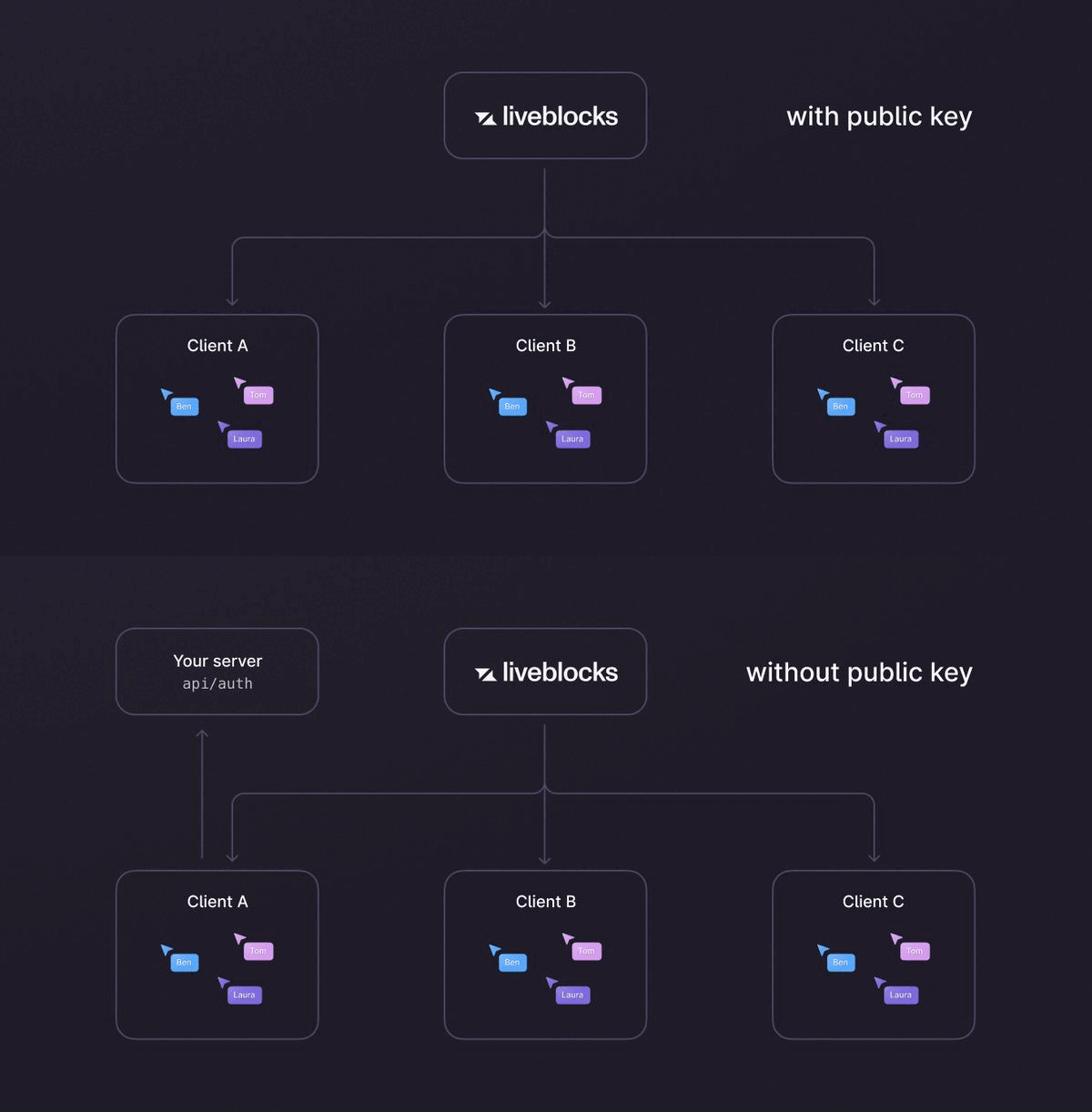
Previously, developers had to create their own endpoint to be able to use Liveblocks. While this is great for products that need to control who should have access to different Liveblocks rooms, this also means that a majority of people who want to add things like live cursors to their website or prototype couldn’t do it because they have no easy way to set up their own authentication endpoint.

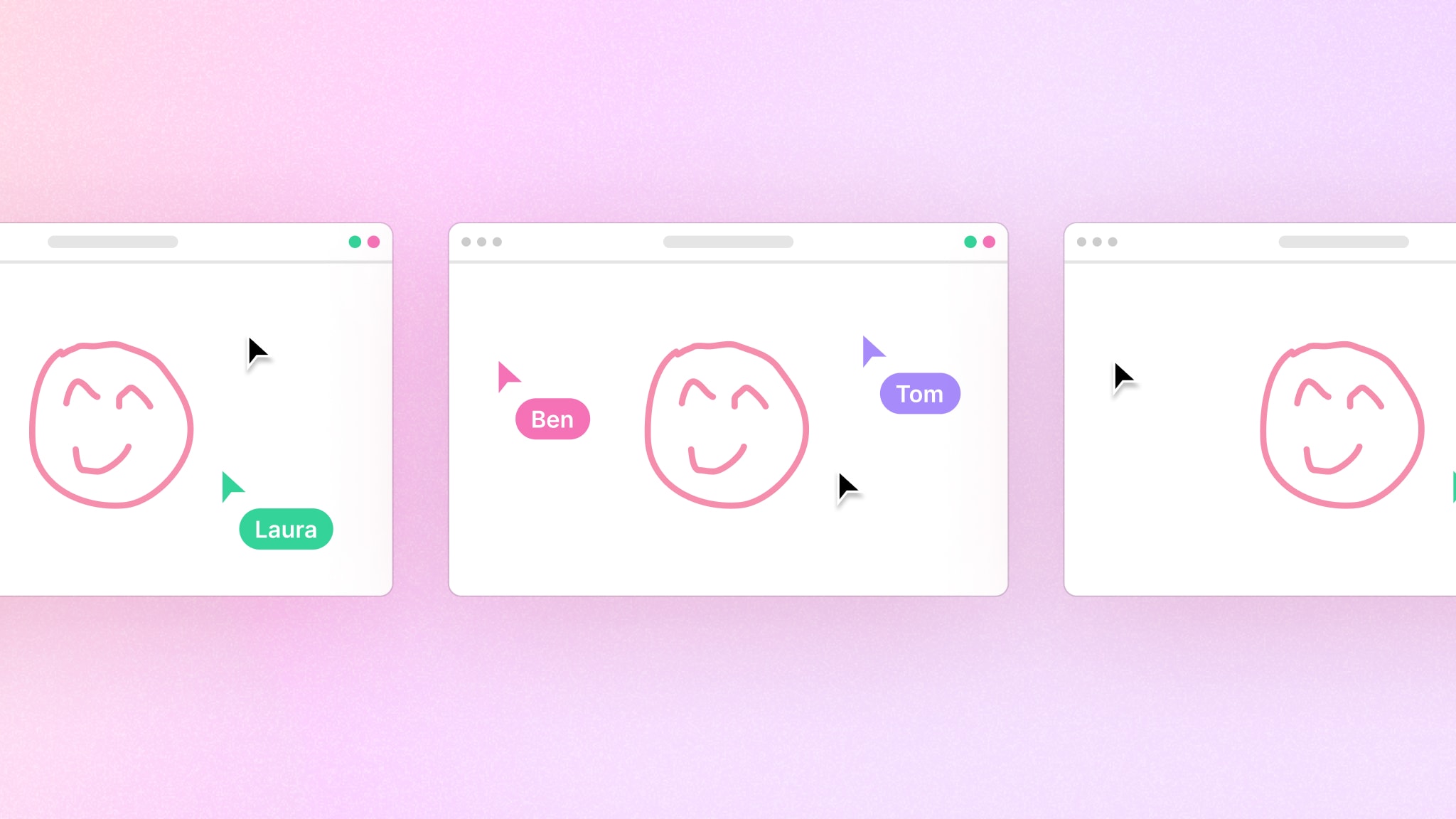
With and without public key feature

With the client-side only mode, you can easily install Liveblocks into your project by ensuring the public API key associated with your Liveblocks account is activated.

You can then use Liveblocks in client-side only mode by using the publicApiKey in the createClient method when connecting to Liveblocks in your codebase.

import { createClient } from "@liveblocks/client";
// Create a Liveblocks client and// replace this key with your public key// provided at https://liveblocks.io/dashboard/projects/{projectId}/apikeysconst client = createClient({ publicApiKey: "pk_prod_xxxxxxxxxxxxxxxxxxxxxxxx",});
If you’d like to make your landing pages or prototypes a bit more interactive, feel free to create an account and follow one of our get started guides. We can’t wait to see what you make with this!